Clean Energy – A Global Paradigm Shift is Underway
05 March 2021
Regulatory support to transition the world to a cleaner energy mix and reduce the global carbon footprint along with falling costs of clean technology are setting the stage for a clean energy revolution.
Policy and Pricing See Change
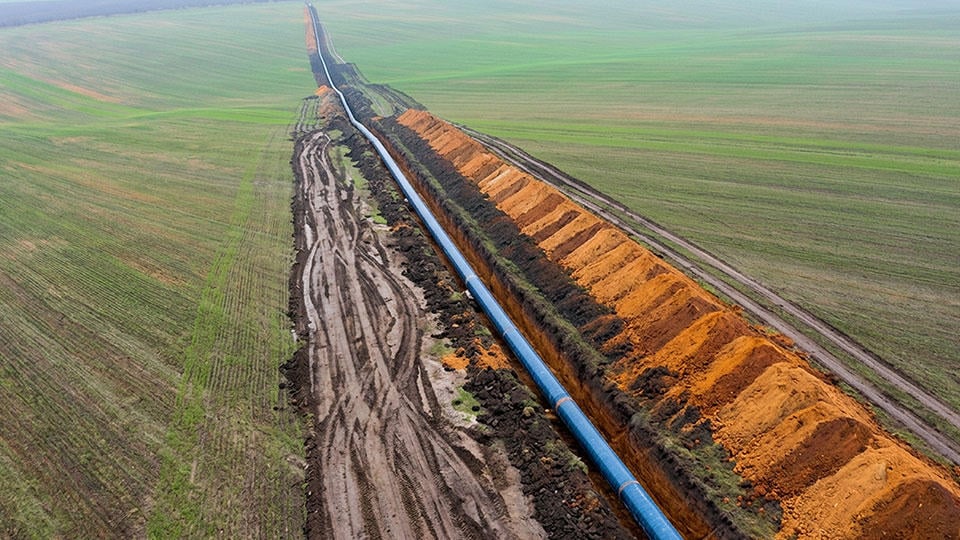
The regime change in the United States has brought the climate debate front and center with President Biden making regulatory changes in earnest. Within his first 30 days, President Biden has taken action to rejoin the Paris climate accord, revoke the permit for Keystone XL pipeline and committed to an aggressive carbon reduction policy in the United States. On the other side of the pond, U.K. Prime Minister, Boris Johnson has committed his country to the deepest greenhouse gas cuts in the G-20 with a goal to reduce greenhouse gas emissions 68% by 2030. Chinese President Xi Jinping has also acted, pledging to reach net-zero carbon emissions by 2060.
The U.K.’s Climate Change Committee estimates the costs of renewable energy technologies will continue to fall over the next three decades and some budding technologies will see steep price reductions. Offshore wind costs have fallen 60 percent1 over the past five years alone, while the price of solar photovoltaic (PV) panels has fallen by 83% since 2010.2 Looking ahead, costs of producing Hydrogen could half and costs of electric vehicle batteries may fall by almost 65% by 2050.3
Clean Cost Cuts
Clean energy costs are expected to fall over the next three decades.

Source: Bloomberg and Climate Change Committee
Costs measured in units of per megawatt hour
Growing and Emerging Clean Energy Themes
Several long-existing clean energy themes as well as emergent themes have taken center stage following significant growth and share price appreciation in 2020.
Wind
In 2019, five percent of the global electricity came from Wind.4 Wind power is currently America’s largest source of renewable energy and continues to grow as traditional utilities diversify their energy mix.5 Turbine manufacturers that build the generators, towers and blades to harvest wind dominate this theme. Vestas Wind Sytems, Seimens and General Electric are some of the larger companies invested in wind.
Solar
The solar industry mainly consists of 1) manufactures that produce photovoltaic panels 2) installers that install these devices at residential and commercial facilities 3) Utilities that have high solar power generation presence. First Solar Inc., Jinkosolar Holding Co., Solar Edge Technologies, Sunrun Inc. are some of the major players in the solar industry.
Electric Vehicles and Battery Technology
Electric vehicles (EVs) are battery-powered vehicles that do not rely on internal combustion engines powered by fossil fuels. This industry is seen as a low hanging fruit to curb carbon emissions. The electric vehicle infrastructure primarily consists of automobile, battery and inverter manufacturers. Electric vehicle charging stations and wiring companies are also emerging technologies in this theme.
Hydrogen and Fuel Cell
Hydrogen is the simplest energy dense element that if burned for fuel only, produces water as its byproduct. A fuel cell combines hydrogen and oxygen to produce energy. The challenge has been in producing hydrogen fuel cells at a scale. Falling costs of production along with government and corporate interest alike is supportive of this nascent technology. Bloom Energy, Plug Power, Ballard Power Systems and FuelCell Energy are some of the promising companies investing in this sector.
Filtration
Filtration includes products that reduce carbon emissions in industrial and consumer applications, such as innovative building insulation. The concern to curb carbon emissions has brought prominence to companies manufacturing these products. Johnson Matthey PLC, NIBE Industrier AB, Horiba Ltd and Kingspan Group PLC are some of the leading companies in this segment.
VanEck Vectors Low Carbon Energy ETF (SMOG) allows investors to access these clean energy themes, from companies involved in renewable energy production and distribution to companies that provide key technologies to the entire supply change.
SMOG Exposure

The current global policy provides support to aid the transition towards a cleaner future and will require commitment of capital and intensive investment in clean energy infrastructure. The policy momentum coupled with the falling costs of clean technology is setting the stage for growth potential for companies participating across the entire clean energy ecosystem.
Related Insights


Related Insights

24 March 2026
Discover why Strait of Hormuz disruptions extend beyond oil, how supply shocks are transmitting into agriculture markets, and what third-order commodity effects may mean for portfolios.
16 March 2026
We address questions investors may have about Shawn Reynolds stepping back and Sam Halpert and Geoff King taking over as Co-Portfolio Managers for the VanEck Global Resources Fund.
26 February 2026
Discover why we believe gold drawdowns are normal, why the bull market has room to run, and the case for including real assets in every portfolio.
29 January 2026
Venezuela’s oil sector is reentering the global conversation, and the path toward rebuilding production is likely to favor oilfield services companies first, before any material increase in crude supply reaches the market and benefits refiners thereafter.