Commodity Prices Rise on Energy Disruptions
08 April 2026
Read Time 3 MIN
Key Takeaways
- Energy disruptions supported broad commodity gains
- CMCITR posted strong returns but trailed BCOM
- Supply constraints contributed to gains across sectors
Q1 2026 Commodity Market Overview
Commodity markets moved higher in Q1 2026, supported by supply disruptions linked to the Iran conflict and reduced transit through the Strait of Hormuz. These developments constrained global flows of crude oil and liquefied natural gas (LNG), contributing to higher energy prices.
The impact of reduced LNG availability also extended to other sectors. Lower fertilizer production contributed to tighter agricultural supply conditions and higher crop prices. In industrial metals, regional disruptions affected aluminum production and shipping activity. At the same time, ongoing geopolitical uncertainty supported demand for precious metals.
All major commodity sectors recorded positive returns during the quarter.
CMCITR vs. BCOM: Performance Summary
UBS CM Commodity Index (CMCITR) returned 16.68% in Q1 2026, while Bloomberg Commodity Index (BCOM) returned 24.41%.
CMCITR underperformed BCOM, primarily due to lower exposure to precious metals, particularly gold. Gold contributed more significantly to BCOM’s performance due to its higher weight. Differences in agricultural exposures, including soybean oil, also contributed modestly, while a higher allocation to industrial metals provided a partial offset.
Energy markets shifted into pronounced backwardation during the quarter, with front-month prices rising more sharply than longer-dated contracts. BCOM’s front-month positioning captured more of this move, while CMCITR’s exposure further along the curve resulted in relatively lower participation in the rally. In addition, BCOM’s early January rebalancing increased exposure to several commodities that subsequently performed well, contributing to a wider performance difference than suggested by static-weight attribution analysis.
Commodity Sector Performance: Top Contributors to CMCITR in Q1 2026
A closer look at the commodity sector’s performance highlights the primary drivers of CMCITR’s returns in Q1 2026, with energy accounting for the majority of returns.
The chart below highlights sector contributions to CMCITR’s performance in Q1 2026, highlighting the outsized impact of energy alongside gains across other commodity sectors.
Comparative Index Sector Weights
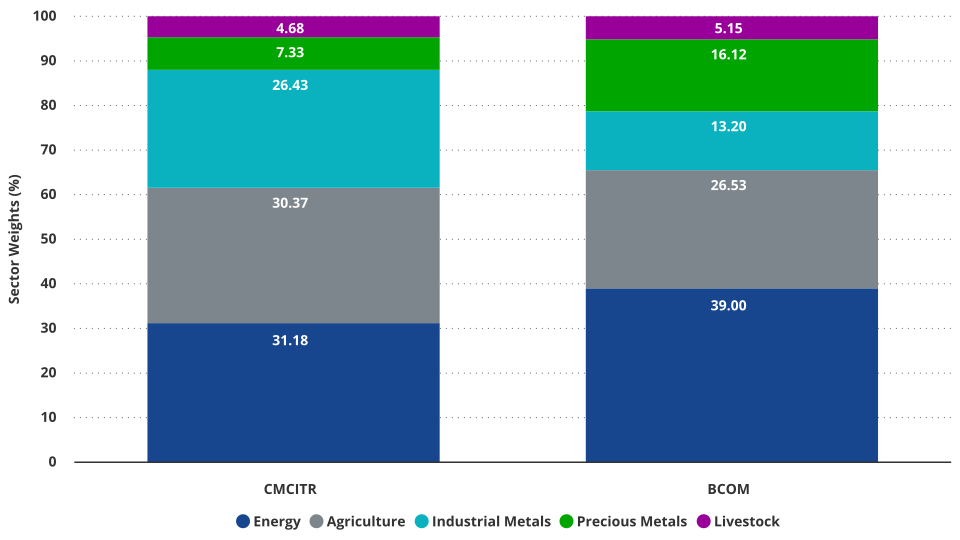
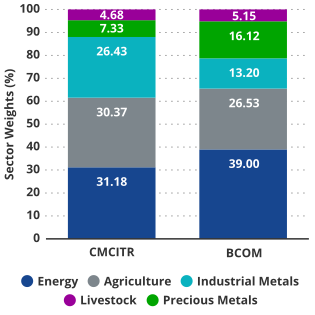
Source: VanEck, Bloomberg. Data as of March 2026.
- Energy was the primary driver of returns. Supply constraints across crude oil and refined products supported broad price increases, with distillates showing particularly strong performance.
- Agriculture benefited from tighter supply conditions. Fertilizer constraints contributed to higher crop prices, with soybean oil among the strongest performers.
- Industrial metals posted moderate gains. Aluminum prices were supported by production and transportation disruptions in the Middle East.
- Precious metals moved higher, supported in part by continued geopolitical uncertainty.
- Livestock prices increased, reflecting higher input costs and broader market trends.
Commodity Market Outlook: What Could Drive Prices in 2026?
Commodity markets may continue to be influenced by supply conditions and geopolitical developments. Ongoing constraints affecting energy transportation could continue to support prices in the near term.
Agricultural markets may remain sensitive to input costs, including fertilizer availability. Precious metals could continue to see support if uncertainty persists.
From an index perspective, CMCITR’s diversified futures exposure may result in different outcomes depending on the shape of commodity curves. In periods of backwardation, front-month exposure may benefit more directly, while more balanced curve exposure may provide different return characteristics over time.
Learn more about the VanEck CM Commodity Index Fund and the VanEck CMCI Commodity Strategy ETF (CMCI), which seek to track, before fees and expenses, the CMCITR.
Related Insights


Related Insights

02 April 2026
Copper sits at the heart of grid expansion, EV adoption, and AI infrastructure, making it a key investment theme as global electrification accelerates.
24 March 2026
Discover why Strait of Hormuz disruptions extend beyond oil, how supply shocks are transmitting into agriculture markets, and what third-order commodity effects may mean for portfolios.
16 March 2026
We address questions investors may have about Shawn Reynolds stepping back and Sam Halpert and Geoff King taking over as Co-Portfolio Managers for the VanEck Global Resources Fund.
26 February 2026
Discover why we believe gold drawdowns are normal, why the bull market has room to run, and the case for including real assets in every portfolio.