Rising Rates, Rising Costs?
17 May 2022
Read Time 2 MIN
Rising food prices might lead to longer “marathon” hiking cycles in EM. But what are the likely costs?
Global Food Prices And Emerging Markets
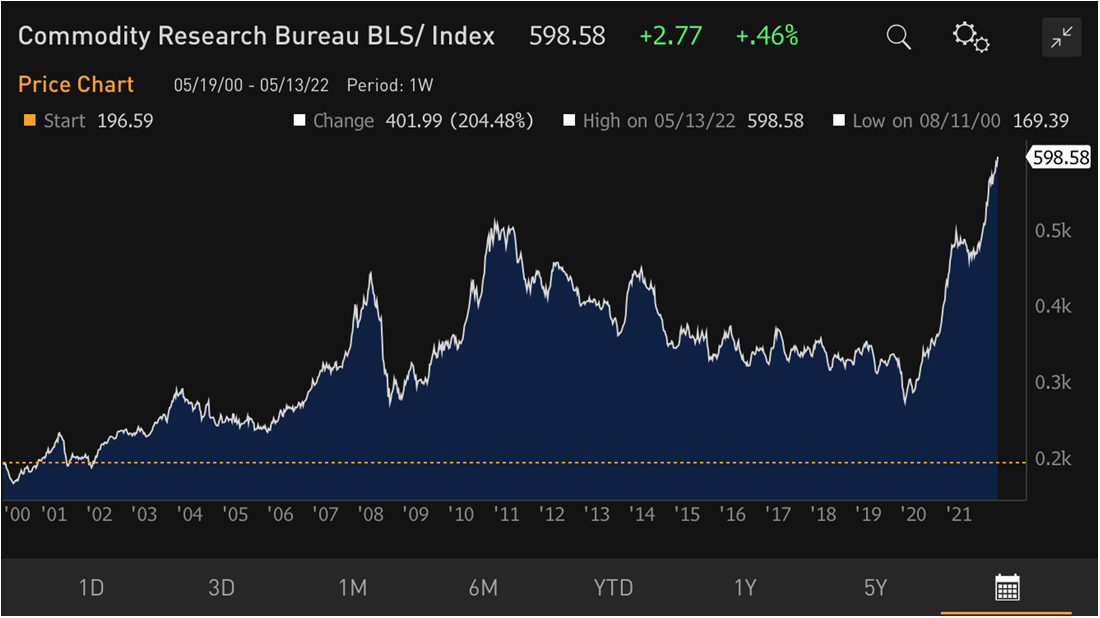
India’s decision to ban all wheat exports with immediate effect over the weekend drew attention to several issues. First, the ban takes place against the backdrop of global food prices hitting multi-year highs (see chart below) and inflation in parts of emerging markets (EM) moving into double-digit territory. Further, there is evidence that these kinds of global shocks are already feeding into core prices (including services), which requires continuing policy responses. A big question here is if this is indeed a policy “marathon”, would it be more appropriate to proceed at a slower pace of rate hikes? Some central banks in EMEA and LATAM seem to think so. On the other hand, the latest policy moves in EM Asia (India and Malaysia) show more urgency and signal more rate hikes’ frontloading than the market was expecting earlier this year. India’s central bank minutes will be released tomorrow, and we hope they will shed more light on this subject.
Rate Hikes And Fiscal Implications
Second, “marathon” tightening cycles inevitably lead to concerns about the fiscal impact of higher interest rates, including “technical” issues like larger debt issuance. This might not be a huge problem for countries with deep domestic financial markets (like South Africa, for example), but it poses risks for less developed markets - especially as non-resident money continues to leave. The sell side research shows that portfolio outflows from EM since the beginning of March are comparable to those during the global financial crisis of 2008.
Food Prices And Social Risks
Finally, rising food prices reinforce concerns about social and political implications in lower-income countries (Arab Spring 2.0). The IMF is talking to several governments right now, but the fund’s support is conditional upon meeting certain targets, including structural. Some countries - like Egypt - are making more progress than the others. The Egyptian central bank is also expected to deliver another rate hike on May 19 to cap rising prices. However, the situation in Sri Lanka is getting more and more challenging. Will the appointment of new Prime Minister be a game-changer? Stay tuned!
Chart at a Glance: Food Prices - No Peak in Sight?
Source: Bloomberg LP
Related Insights

Related Insights
07 April 2025
06 March 2025
20 February 2025
10 February 2026
Debasement is back in focus. Here’s what’s driving it, what could reverse it and how we’re positioning portfolios for both scenarios.
07 April 2025
Trump’s tariffs spark trade war fears, fueling market volatility, inflation risk, and recession threats. With global retaliation likely, near-term growth is clearly at risk.
06 March 2025
Trump’s tariffs, AI’s next phase, and a potential U.S. gold revaluation could shake markets—investors who stay ahead of these transitions will be best positioned.
20 February 2025
China's AI breakthrough, persistent inflation, gold’s outperformance, and rising energy demand underscore a shifting investment landscape.
16 January 2025
In 2025, navigating turbulence means balancing tech innovation, inflation hedges, energy shifts, and risks from spending cuts and inflation.