El mercado alcista del oro soporta la volatilidad de principios de 2026
10 febrero 2026
Read Time 4 MIN
Las perspectivas mensuales sobre el mercado del oro y la economía son proporcionadas por Imaru Casanova, gestora de carteras, quien comparte su visión sobre la minería y los beneficios de integrar el oro en la cartera de inversión.
Puntos clave:
- El repunte y la caída del oro en enero ponen de relieve la volatilidad, pero la tesis del mercado alcista sigue intacta.
- La demanda de 2025 batió récords al dispararse los ETF y mantenerse los bancos centrales como fuertes compradores.
- Las mineras se están poniendo al día, ya que las previsiones a largo plazo más elevadas para el oro respaldan el potencial de revalorización.
El volátil comienzo del oro en 2026
El oro tuvo un comienzo de año fenomenal, aunque muy volátil. El aumento de las tensiones geopolíticas en todo el mundo, en particular los acontecimientos relacionados con Venezuela, Irán y Groenlandia, junto con las persistentes amenazas de aranceles y sanciones de EE.UU., impulsaron al oro por encima de los 5.000 dólares por onza el 26 de enero. La superación de ese nivel psicológico pareció desatar una oleada de compras especulativas. El 29 de enero, el oro cotizaba a un máximo intradía de 5.595 dólares la onza, casi 1.300 dólares más que a finales de 2025.
Ese ajuste en la evolución de los precios hizo que el retroceso fuera prácticamente inevitable, y los mercados encontraron rápidamente un catalizador en el nombramiento de Kevin Warsh como próximo presidente de la Reserva Federal el 30 de enero. Ese mismo día, el oro cayó 9 %. En un primer momento, Warsh fue percibido como una figura más restrictiva, con una postura favorable al dólar estadounidense y, en consecuencia, negativa para el oro. Esta percepción apuntaba a unas regulaciones monetarias potencialmente menos acomodaticia en el futuro. No obstante, tras la reacción inicial del mercado, la probabilidad implícita de recortes de tasas por parte de la Reserva Federal aumentó ligeramente. Esto pudo haber reflejado declaraciones posteriores de Warsh que sugerían cierta alineación con la preferencia del presidente Trump por tasas de interés más bajas. El 30 de enero, el oro cerró en 4.894,23 dólares por onza, concluyendo el mes con un avance de 574,86 dólares, equivalente a un incremento de 13,31 %.
Gráfico 1: Precio del oro a 3 meses
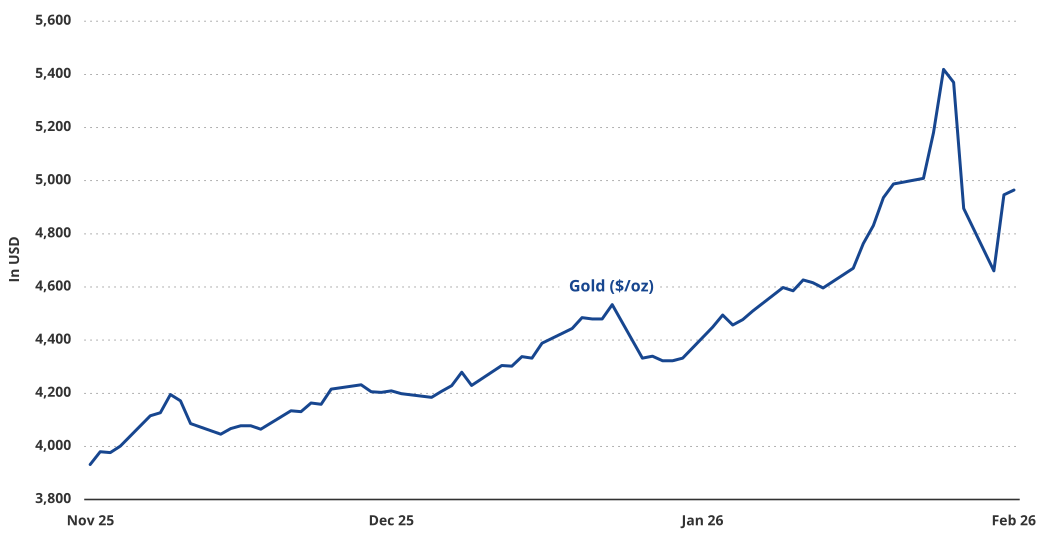
Fuente: FactSet. Datos al 4 de enero de 2026.
Los principales impulsores del precio del oro se mantienen
La dinámica observada en enero reafirma el papel del oro como activo refugio y alternativa frente al dólar estadounidense, pero también pone de manifiesto el aumento en la volatilidad cuando el metal cotiza en niveles históricamente elevados. En nuestra opinión, estas bruscas oscilaciones no deberían distraer ni disuadir a los inversores en oro. Las perspectivas a más largo plazo del oro siguen estando respaldadas por las mismas fuerzas que lo impulsaron en 2025: Bancos centrales e inversores que buscan protección, diversificación y desdolarización en sus reservas y carteras. El incremento de los riesgos geopolíticos y las tensiones comerciales, las preocupaciones inflacionarias, la posible debilidad del dólar y el riesgo de una corrección significativa en los mercados de acciones —que actualmente muestran señales de fragilidad— deberían continuar respaldando al oro durante 2026. Si bien es probable que los nuevos máximos históricos vayan acompañados de retrocesos y periodos de consolidación dentro de rangos acotados, consideramos que al actual mercado alcista del oro aún le quedan varios años de recorrido.
El Consejo Mundial del Oro publicó su Tendencias de la demanda de oro 2025: La demanda total de oro en 2025 superó por primera vez las 5000 toneladas, con un valor estimado de 555.000 millones de dólares, lo que representó un crecimiento interanual de 45 %. El incremento estuvo impulsado principalmente por mayores flujos de inversión. Las tenencias globales de ETF respaldados por lingotes de oro aumentaron en 801 toneladas, el segundo mayor incremento anual registrado. Asimismo, la demanda de barras y monedas se aceleró hasta alcanzar su nivel más alto en 12 años. Los bancos centrales compraron 863 toneladas de oro. Aunque las compras del sector oficial se redujeron en 2025, desde el ritmo reciente de unas 1.000 toneladas anuales, siguen siendo históricamente elevadas y están ampliamente diversificadas por regiones.
Las acciones de oro continúan en fase de recuperación
Los mercados de acciones de oro tuvieron poco margen para asimilar el fuerte repunte del precio del oro durante el primer mes de 2026. El índice MarketVector Global Gold Miners registró una sólida ganancia mensual de 10,91 %, aunque su desempeño continuó rezagado frente al propio metal. Esta dinámica pone de relieve una característica del sector durante la última década: Las acciones de las minas de oro se han valorado sistemáticamente utilizando hipótesis sobre el precio del oro que van a la zaga del precio al contado.
En los últimos años, cuando los mercados empiezan a confiar en que la subida de los precios del oro es sostenible y ajustan las hipótesis de valoración en consecuencia, el propio precio del oro suele seguir subiendo, dejando a la renta variable en un persistente modo de recuperación. Este año, sin embargo, estamos asistiendo a un cambio notable. Los analistas de mercados accionarios y de materias primas están publicando cada vez más proyecciones sobre el precio del oro que no solo anticipan incrementos durante 2026, sino que también prevén niveles elevados y sostenidos hacia 2028 y 2029. Esto debería traducirse en unas expectativas de consenso más sólidas para las valoraciones, los beneficios y los flujos de caja en todo el sector y contribuir a respaldar una revalorización de la renta variable de la minería del oro que debería haberse producido hace tiempo.
Perspectivas de las empresas mineras de oro
De cara al futuro, la mayoría de las empresas mineras auríferas comunicarán sus resultados del cuarto trimestre de 2025 y de todo el año, junto con sus previsiones para 2026, en febrero. Aunque es probable que los resultados varíen en función de los factores específicos de cada empresa, sobre todo en lo que respecta a los aumentos de costes previstos para 2026, esperamos que surja un mensaje claro y coherente. Incluso en escenarios de precios del oro más moderados, las empresas mineras continúan generando flujos de efectivo récord y manteniendo márgenes sólidos. Esto les permite incrementar la rentabilidad para los accionistas y, al mismo tiempo, acelerar la inversión destinada al crecimiento sostenible de largo plazo del sector.
Related Insights

Related Insights
18 diciembre 2025
07 noviembre 2025
10 octubre 2025
18 diciembre 2025
Prepare su portafolio para 2026 con información detallada del equipo de inversiones de VanEck sobre los factores que determinarán el riesgo y los rendimientos en sus respectivas clases de activos.
18 noviembre 2025
El repunte del oro por encima de los USD 4,000/oz refleja fortaleza en un contexto de oferta limitada y demanda constante. Las mineras continúan subvaloradas, lo que abre oportunidades potenciales si persisten las tendencias actuales del mercado.
07 noviembre 2025
El oro alcanzó máximos históricos en 2025, impulsado por la demanda de los bancos centrales, la desdolarización y la rentabilidad de los inversores.
10 octubre 2025
El oro subió a máximos históricos, cerca de $3859/onza en septiembre, dado el aumento de la demanda tras los recortes de tasas de la Reserva Federal y las compras de los bancos centrales. Los mineros repuntaron gracias al fuerte flujo de caja, la disciplina y el renovado interés de los inversores.
17 septiembre 2025
GDX seguirá un nuevo índice tras el cierre de los mercados el 19 de septiembre de 2025. Ofrecemos una visión actualizada de las diferencias previstas entre sus participaciones actuales y la cartera pro forma.