
Benvenuti in VanEck
Seleziona il tipo di investitore
19 gennaio 2021
Durante le festività del Ringraziamento, il tentativo fatto dagli speculatori allo scoperto di portare il prezzo dell'oro al di sotto della soglia tecnicamente importante di 1.800 dollari l'oncia è fallito. Il 1° dicembre, infatti, l'oro è rimbalzato a 1.815 dollari l'oncia guadagnando 121,41 dollari (6,8%) e ha chiuso il mese a 1.898,36 dollari l'oncia. Le azioni aurifere hanno registrato variazioni consistenti, con un rialzo del 4,57% per il NYSE Gold Miners Index (GDMNTR)1 e del 10,76% per il MVIS Global Junior Miners Index (MVGDXJTR)2.
Le notizie sui vaccini nel corso del mese non hanno inciso sull'andamento del metallo giallo, il che indica che l'entusiasmo sul fronte vaccinale era stato interamente scontato nel rallentamento del mercato dell'oro lo scorso novembre. L'oro ha toccato il massimo il 21 dicembre (1.906 dollari l'oncia) quando il Congresso ha trovato l'accordo definitivo su un nuovo pacchetto di misure di aiuti per la pandemia da coronavirus che prevede una spesa in deficit di 900 miliardi di dollari. Il metallo giallo è stato inoltre sostenuto dall'indebolimento del dollaro, sceso a un nuovo minimo a 30 mesi sulla scia del clima di "propensione al rischio" che ha portato il mercato azionario a sfiorare nuovi massimi. Va inoltre sottolineato che i cospicui deflussi dagli ETF sull'oro fisico osservati a novembre si sono arrestati a dicembre.
Nel secondo semestre del 2020 l'argento ha rifatto capolino, sovraperformando l'oro del 38% e guadagnando il 16,6% nel mese di dicembre. Essendo un metallo monetario e industriale, l'argento coglie il meglio dei due mondi: da un lato, trae vantaggio dai rischi sistemici che fanno prosperare l'oro, dall'altro è sostenuto dalle aspettative di crescita post-pandemia e dalle iniziative verdi che favoriscono il rame. Per dare un'idea, il rame ha chiuso l'anno a 3,52 dollari per libbra, il prezzo più alto in quasi sette anni.
L'oro chiude il decennio alla grande
Nel 2020 l'oro ha guadagnato il 25,1% ovvero 381 dollari l'oncia, il maggior incremento percentuale annuo in un decennio. Una miriade di fattori legati alla pandemia hanno determinato i movimenti dell'oro a gennaio, quando sono dilagati i contagi in Cina. A febbraio, con il diffondersi del COVID alla Corea del Sud, l'oro ha toccato i massimi a sette anni. Tuttavia, nell'ultima settimana di febbraio, le notizie che i contagi avevano colpito Italia, Iran e Stati Uniti hanno fatto crollare i mercati e il 16 marzo l'oro è sceso a 1.451 dollari, il minimo annuale. Il tonfo ha coinvolto anche le azioni aurifere, con gli investitori impegnati a reperire liquidità per far fronte a margin call e rimborsi e per assumere posizioni avverse al rischio. Smorzato il panico, l'oro e le azioni aurifere hanno recuperato terreno, riportandosi sui livelli pre-crisi nei primi giorni di aprile. Ad aprile, maggio e giugno l'oro ha toccato nuovi massimi di lungo periodo. Il 27 luglio il metallo giallo ha superato il massimo storico del 2011 (1.921 dollari l'oncia) per raggiungere un ultimo picco il 7 agosto, a 2.075 dollari l'oncia.
A partire da agosto, l'oro si è preso una pausa stabilizzandosi nell'intervallo compreso tra 1.800 e 2.000 dollari l'oncia. Ai primi di novembre, le notizie dei risultati positivi delle sperimentazioni sui vaccini anti-COVID hanno riacceso la speranza di un ritorno alla normalità, spingendo al ribasso l'oro ed esponendolo al test del supporto tecnico di lungo termine a 1.800 dollari per oncia. Il supporto ha tenuto e l'oro si è mosso al rialzo a dicembre, mentre l'U.S. Dollar Index (DXY)3 sfiorava nuovi minimi, chiudendo l'anno a 1.898 dollari l'oncia.
Rialzi alimentati da incertezza sui mercati e rischi sistemici
Nel 2020 il mercato rialzista dell'oro è stato trainato da una serie di fattori, tra cui:
Gli afflussi record nei prodotti negoziati in borsa (ETP) sull'oro fisico mostrano come gli investitori utilizzino l'oro per proteggere i propri portafogli dal deprezzamento delle valute, dal collasso del sistema o dall'inflazione che possono essere il risultato involontario di politiche dei tassi zero, di oneri debitori gravosi e di migliaia di miliardi di dollari di liquidità iniettati nell'economia globale.
Le società estrattive battono il metallo
Le società estrattive del settore aurifero hanno sovraperformato il metallo per la maggior parte del 2020, nonostante la parziale stabilizzazione raggiunta a fine anno. E, sebbene in generale gli investitori debbano aspettarsi che le azioni aurifere battano il metallo in un contesto di prezzi crescenti dell'oro (per la leva implicita che le aziende estrattive hanno rispetto all'oro), non è raro vedere le società sottoperformare quando i rischi in gioco sono elevati. La maggior parte delle società estrattive in cui abbiamo investito ha dimostrato di essere in grado di gestire i protocolli COVID senza incidere significativamente sulla produzione e sui costi. I produttori di maggior successo hanno continuato a tenere sotto controllo i costi e i flussi di cassa disponibili e ad assicurare un'allocazione del capitale rigorosa e ritorni agli azionisti. Inoltre, secondo i bilanci trimestrali, molte di queste società hanno distribuito più dividendi nel corso dell'anno e registrano al momento rendimenti in media superiori al 2%.
Riteniamo che gli stessi fattori che hanno spinto l'oro al rialzo nel 2020 resteranno in gioco anche nel 2021. Nei prossimi mesi, non appena gli Stati Uniti e gli altri paesi raggiungeranno l'immunità di gregge, il mondo cambierà volto. In questo commento cerchiamo di individuare i rischi residui che potrebbero condizionare l'andamento dell'oro non appena il virus sarà stato domato.
L'oro vive una fase rialzista dal dicembre 2015 (Grafico 1). L'andamento grafico di questo mercato è simile a quello dei primi cinque anni del ciclo rialzista del decennio 2001-2011 (Grafico 2). Sarà interessante vedere se le similitudini grafiche permarranno. Dopo il 2006, il mercato rialzista di allora trovò i propri catalizzatori nella Crisi finanziaria globale del 2008 e nella crisi del debito sovrano che investì l'Europa nel 2010. L'attuale mercato toro avrà bisogno di altri catalizzatori per realizzare guadagni analoghi. I rischi che abbiamo evidenziato, unitamente all'andamento del dollaro, potrebbero essere i nuovi fattori di stimolo.
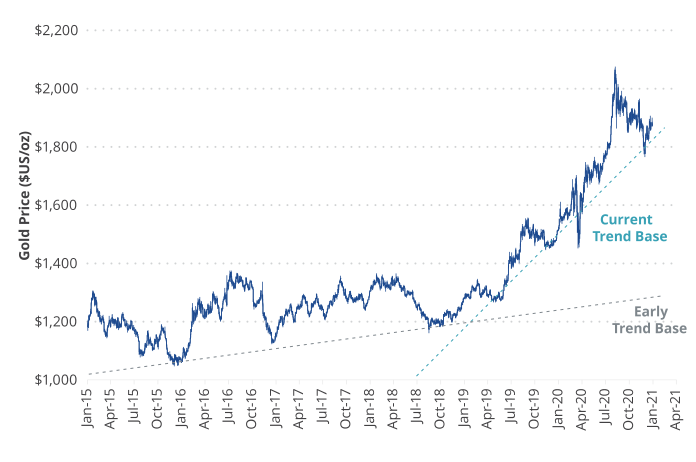
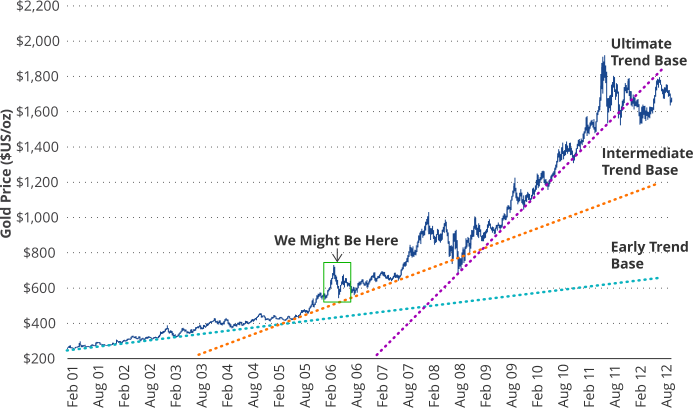
Fonte: Bloomberg, VanEck. Dati al 4 gennaio 2020.
Salvo ove diversamente indicato, tutte le ponderazioni societarie, settoriali e subsettoriali sono aggiornate al 31 dicembre 2020. Fonte: VanEck, FactSet.
1Il NYSE Arca Gold Miners Index (GDMNTR) è un indice ponderato per la capitalizzazione di mercato modificata che comprende società quotate in borsa operanti principalmente nel settore dell'estrazione dell'oro.
2Il MVIS Global Junior Gold Miners Index (MVGDXJTR) è un indice basato su regole ponderato per la capitalizzazione di mercato modificata e rettificata per il flottante che comprende un universo globale di aziende quotate in borsa a piccola e media capitalizzazione, che generano almeno il 50% dei propri ricavi dall'estrazione di oro e/o argento e possiedono beni immobili che una volta sviluppati hanno il potenziale di generare almeno il 50% dei ricavi dall'estrazione di oro o argento, ovvero investono principalmente in oro o argento.
3L'U.S. Dollar Index (DXY) misura il valore del dollaro statunitense rispetto a un paniere di valute estere, spesso indicato come il paniere delle valute dei partner commerciali degli Stati Uniti.
Esclusivamente per scopi informativi e pubblicitari.
Queste informazioni sono redatte da VanEck (Europe) GmbH che è stata nominata distributore dei prodotti VanEck in Europa dalla Società di gestione VanEck Asset Management B.V., costituita ai sensi della legge olandese e registrata presso l'Authority for the Financial Markets (AFM) dei Paesi Bassi. VanEck (Europe) GmbH con sede legale in Kreuznacher Str. 30, 60486 Francoforte, Germania, è un fornitore di servizi finanziari regolamentato dall'Ente federale tedesco di vigilanza dei servizi finanziari (BaFin). Le informazioni contenute in questo commento hanno l'unico scopo di offrire agli investitori indicazioni generiche e preliminari e non costituiscono in alcun modo consulenza d'investimento, legale o fiscale. VanEck (Europe) GmbH e le sue affiliate (congiuntamente "VanEck") declinano ogni responsabilità relativamente decisioni d'investimento, disinvestimento o di mantenimento delle posizioni assunta dall'investitore sulla base di queste informazioni. Le opinioni e i pareri espressi sono quelli degli autori, ma non corrispondono necessariamente a quelli di VanEck. Le opinioni sono aggiornate alla data di pubblicazione e soggette a modifiche in base alle condizioni del mercato. Alcune dichiarazioni contenute nel presente documento possono costituire proiezioni, previsioni e altre indicazioni prospettiche che non riflettono i risultati effettivi. Le informazioni fornite da fonti terze sono ritenute affidabili e non sono state sottoposte a verifica indipendente per accertarne l'accuratezza o la completezza, pertanto non possono essere garantite. Tutti gli indici menzionati sono studiati per misurare i settori e le performance di mercato comuni. Non è possibile investire direttamente in un indice.
Tutte le informazioni sulle performance sono storiche e non costituiscono garanzia di risultati futuri. L'investimento è soggetto a rischi, compreso quello di perdita del capitale. Prima di investire, è necessario leggere il Prospetto e il documento contenente le informazioni chiave per gli investitori (KID).
Nessuna parte di questo materiale può essere riprodotta in alcuna forma né citata in un’altra pubblicazione senza l’esplicita autorizzazione scritta di VanEck.
© VanEck (Europe) GmbH

18 maggio 2026
10 aprile 2026
18 marzo 2026
18 maggio 2026
10 aprile 2026
18 marzo 2026