¿Qué es la industria de los videojuegos y los esports?
12 febrero 2026
Read Time 4 MIN
Puntos clave:
- Los videojuegos son una forma de entretenimiento masiva y cuentan con una amplia audiencia global.
- Los modelos de negocio han cambiado hacia el gasto continuo dentro de los juegos.
- Los esports añaden una capa de espectador que puede profundizar el compromiso en torno a los títulos líderes.
¿Qué es la industria de los videojuegos y los deportes electrónicos?
El juego ya forma parte de la vida cotidiana de miles de millones de personas. Aparece en los teléfonos durante los desplazamientos al trabajo, en las consolas por la noche y en los PC con los amigos los fines de semana. También aparece en un nuevo lugar. Competición en directo.
Ahí es donde entran los deportes electrónicos, que son competencias de videojuegos. Los jugadores y los equipos compiten en partidos y torneos organizados. Los fans los siguen en línea y en eventos en vivo. Algunos siguen a los equipos como siguen los deportes tradicionales.
Los videojuegos son la categoría grande. Los deportes electrónicos son una parte de ello.
Newzoo estima que el mercado global de videojuegos alcanzará los 188,8 mil millones de dólares en 2025, con 3,6 mil millones de jugadores.
Previsión mundial de jugadores e ingresos por juegos hasta 2028
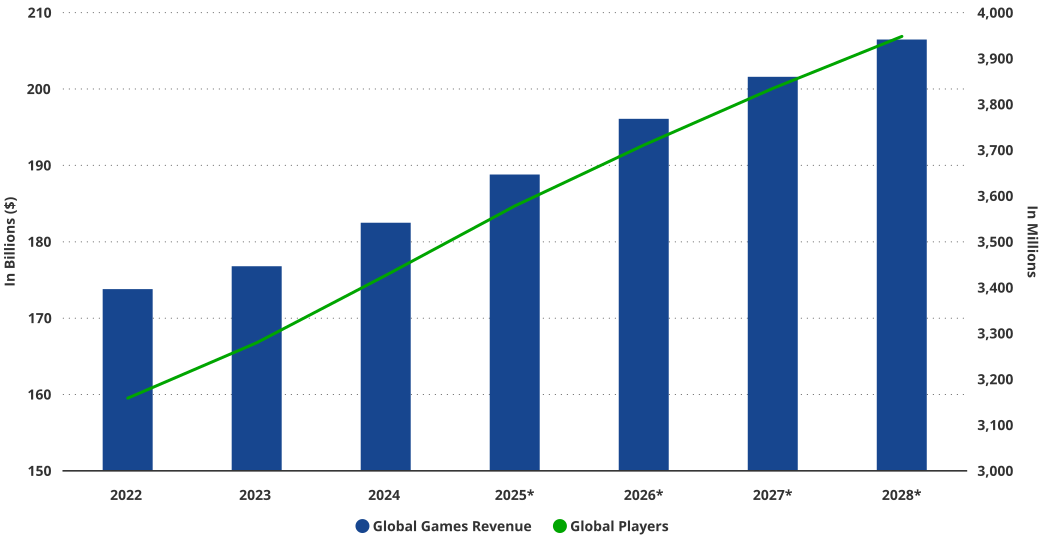
Fuente: NewZoo, al 2025. Solo con fines ilustrativos. No pretenden ser una previsión o predicción de resultados futuros.
Videojuegos vs. deportes electrónicos (esports): ¿Cuál es la diferencia?
Una forma sencilla de pensarlo es la siguiente.
Jugar es lo que la gente hace. Los deportes electrónicos son en lo que algunas personas compiten y lo que muchas otras ven.
| Categoría | Videojuegos | Esports |
| Qué es | Jugar a videojuegos | Juego competitivo organizado |
| Quién participa | Cualquiera que juegue | Jugadores, equipos y ligas de competición |
| Por qué lo hace la gente | Diversión, juego social, progreso | Ganar partidos y títulos |
| Dónde ocurre | Consola, PC, móvil | Streaming, ligas, eventos en directo |
| Cómo se gana dinero | Ventas de juegos, gasto dentro del juego, suscripciones, anuncios | Patrocinios, anuncios, acuerdos mediáticos, entradas, merchandising |
Cómo gana dinero la industria
Los juegos solían ser sobre todo una compra única. Comprabas un juego y listo.
Eso sigue existiendo, pero el centro del negocio se ha desplazado. Muchos de los juegos más importantes de la actualidad están diseñados para funcionar durante años. Añaden nuevos contenidos, nuevos modos y nuevas temporadas. Los jugadores pueden optar por gastar con el tiempo en extras como artículos cosméticos o pases de temporada.
Los deportes electrónicos añaden otra serie de fuentes de ingresos. Las marcas patrocinan equipos y eventos. Los streams y las emisiones venden anuncios. Los grandes eventos venden entradas y merchandising. En algunos títulos, una escena competitiva sólida puede mantener activa a la comunidad durante más tiempo.
Ingresos mundiales del juego por tipo de plataforma
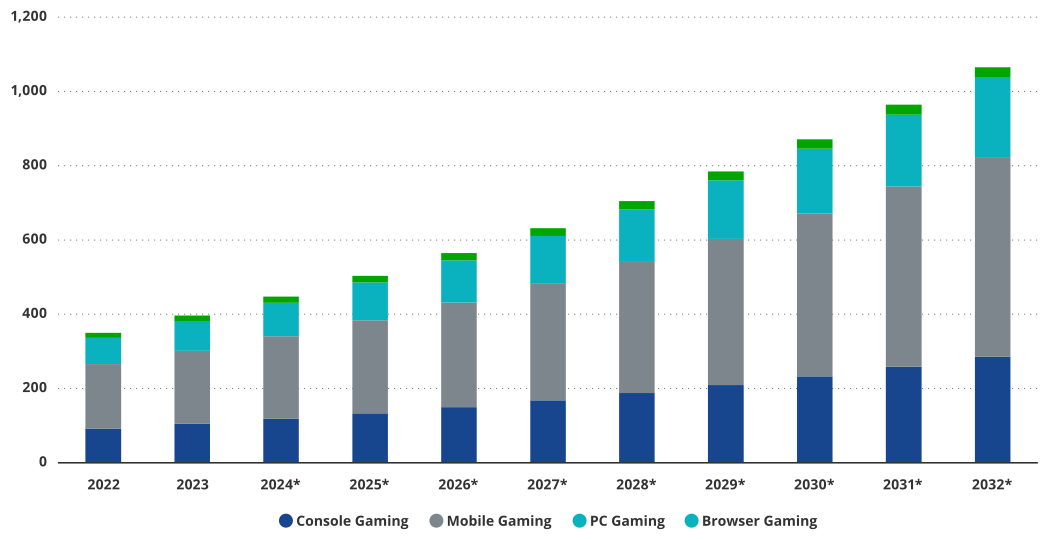
Fuente: Inkwood Research, a 2024. Solo con fines ilustrativos. No pretenden ser una previsión o predicción de resultados futuros.
La red de videojuegos y deportes electrónicos
No se trata de un único negocio. Es una red de empresas que apoyan la forma en que se hacen, se juegan y se ven los juegos.
- Los desarrolladores y editores de juegos crean juegos y construyen franquicias.
- Las plataformas y las tiendas digitales distribuyen los videojuegos a los jugadores.
- Las empresas de hardware venden consolas, PC, chips y accesorios.
- Los creadores y streamers convierten los videojuegos en contenido diario.
- Las ligas y los organizadores de torneos organizan eventos competitivos.
- Los aficionados y los jugadores impulsan todo el ciclo a través del tiempo invertido y el gasto.
Cuando un título se convierte en un éxito, el impacto puede extenderse por toda esta red. Más jugadores pueden generar más contenidos, más vistas y más gasto.
Por qué el juego y los deportes electrónicos se consideran industrias en crecimiento
El juego sigue creciendo porque la gente sigue eligiéndolo. Es social. Es interactivo. Funciona en todos los dispositivos. Tiene alcance global.
También hay una razón comercial. Muchos juegos ganan ahora dinero durante un periodo más largo. Eso puede crear ingresos más estables que el antiguo modelo de «fin de semana de lanzamiento».
Los deportes electrónicos encajan aquí porque pueden convertir un videojuego en algo que la gente ve todo el año, no solo en algo que juegan.
Acercarse a la oportunidad de los videojuegos y los deportes electrónicos
Para los inversores, el reto es centrarse.
La industria incluye editores, plataformas y empresas de hardware que obtienen ingresos significativos del entretenimiento interactivo. También incluye grandes compañías donde los videojuegos son solo un negocio secundario pequeño. Éstos pueden diluir la exposición si su objetivo es centrarse en el tema.
Ahí es donde un enfoque dedicado puede ayudar.
El VanEck Video Gaming and eSports ETF (ESPO) busca replicar el índice MVIS Global Video Gaming and eSports Index, que está construido en torno a empresas involucradas en el desarrollo de videojuegos, deportes electrónicos, y hardware y software relacionados.
Aquí importa una elección de diseño. Las empresas deben obtener al menos el 50% de sus ingresos de los videojuegos y/o los esports para poder optar al Índice. Esta regla pretende mantener la exposición vinculada a las empresas más directamente relacionadas con el tema.
Para los inversores que desean acceso a los videojuegos y deportes electrónicos sin depender de un solo título o una sola acción, ESPO ofrece una forma enfocada de obtener exposición en todo el sector.
Related Insights


Related Insights
23 diciembre 2025

28 octubre 2025
03 marzo 2026
Nvidia registró otro trimestre récord, impulsado por la demanda de centros de datos para IA, y elevó sus previsiones. Los resultados refuerzan la solidez sostenida del ecosistema de semiconductores y de IA.
23 diciembre 2025
Las compañías farmacéuticas están enfrentadas a un panorama cambiante definido por la innovación en GLP-1, el descubrimiento de fármacos respaldado por inteligencia artificial y patrones en evolución en el consumo de los servicios de salud.
28 octubre 2025
27 octubre 2025
La sólida cartera de desarrollo clínico del sector farmacéutico, la disminución de los riesgos de políticas y el aumento sostenido de la demanda están propiciando un renovado interés por parte de los inversionistas. PPH brinda acceso estratégico a líderes en innovación como Eli Lilly y Merck.
Esta serie educativa de cinco partes le ayudará a comprender mejor los ETF, desde qué son hasta cómo podría utilizarlos dentro de un portafolio de inversión. En esta primera parte, comencemos por lo básico.