Welcome to VanEck
Select Investor Type


A technology shift is simplifying access to space, shrinking the cost of reaching the stars. The Space ETF by VanEck tracks the progress of the innovative companies developing tomorrow’s equipment, disrupting established operators, shaping the commercial space age.
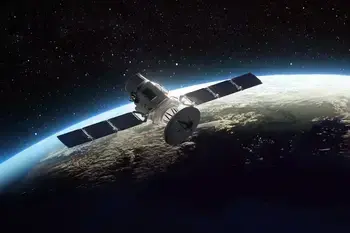

As rockets become reusable and satellites smaller, investors are backing businesses made viable by falling costs. This comes at a time when demand for satellite-based internet data is soaring, other applications like space tourism are emerging and governments are keen to explore deep space. Venture capital investors, especially, are flocking in.
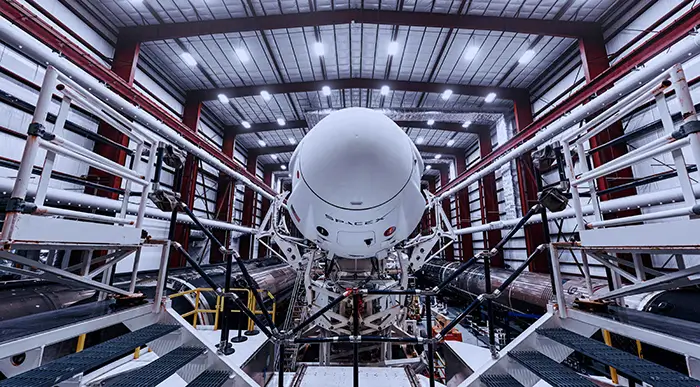
SpaceX has pioneered reusable rockets although other competitors are emerging. The SpaceX Falcon 9 has slashed the expense of a satellite launch by a third to $5,000 a kilogram.2 And the new Starship mega rocket could deflate it still further to $1,000 or even $500 according to forecasts.
2 FT.com. SpaceX: How Elon Musk’s new rocket could transform the space race. 12 October 2021.
Commercial ventures are drawing record levels of funding. Total venture capital investment increased by 95% to $8.7bn in the 12 months to the end of March 2021, according to the Seraphim SpaceTech Index, a quarterly tracker of funding deals in the sector. These increasing funding activities make the sector represented by the Space ETF particularly promising.
While the US hosts many entrepreneurial space companies, there are at least 160 Chinese commercial space organizations, many of them private. Their satellites aren’t just transmitting telecommunications but also adding bandwidth to the internet and monitoring greenhouse gases.
Public-sector interest in space is growing with, for instance, the advent of the US Space Command in 20193. This is leading to further commercial opportunities. The Space ETF by VanEck thus allows an investment in a promising field for the years to come.
With the expense of satellite launchers and satellites falling fast, it’s estimated that space could be a $1 trillion industry by 2040 according to Morgan Stanley Research. That’s up about three times from $350 billion today (see chart).1It's now possible to access this growing industry through the Space ETF by VanEck.
1 Source: Haver Analytics Forecast.
The ETF is focusing on the following five areas. With an environmental, social and governance (ESG) filter, it avoids companies involved in making controversial weapons.