BDCs: A forma líquida de acessar o crédito privado
24 fevereiro 2026
Read Time 4 min
Em um webinar recente, Coulter Regal, CFA, e Nico Cortese, CFA, da VanEck, discutiram os principais fatores que sustentam os BDCs, incluindo sua escala institucional, construção de portfólio mais conservadora e qualidade de crédito estável.
Para ver o debate completo, assista à retransmissão do High Yield Opportunities in BDCs.
Principais conclusões:
- Os investidores estão aumentando as alocações para crédito privado - O mercado de BDCs cresceu rapidamente, refletindo uma mudança institucional mais ampla em direção ao crédito privado (2:50).
- Como os BDCs proporcionam um potencial consistente de alto rendimento em comparação com outros investimentos focados em renda - Com um dividend yield de 11,3%, o índice MVIS US BDC oferece quase o dobro do observado em empréstimos alavancados e títulos high yield, e aproximadamente o triplo do rendimento dos Treasuries de 10 anos, configurando uma vantagem relevante de geração de renda no cenário atual (4:56).
- Construção de uma carteira mais conservadora - Nos últimos anos, o setor de BDCs diminuiu de forma significativa o risco associado à construção de portfólio (13:25).
- Insights de Houlihan Lokey's BDC Monitor - A alavancagem do setor caiu, as taxas de inadimplência estão baixas e os preços dos empréstimos permanecem próximos do valor nominal, sinalizando que a recente fraqueza dos preços é um desconto impulsionado pelo sentimento, não um problema de crédito (15:15).
- Benefícios de uma abordagem diversificada de investimento em BDCs - O VanEck BDC Income ETF (BIZD) oferece acesso amplo e líquido ao mercado de BDCs negociados publicamente, eliminando o risco de concentração de um único gestor e capturando o prêmio de renda da classe de ativos (26:45).
Como os rendimentos dos BDCs se comparam aos títulos de alto rendimento, empréstimos alavancados e títulos do Tesouro?
Os BDCs se destacam como uma das classes de ativos orientados para a renda de maior rendimento disponíveis atualmente. Em 31 de dezembro de 2025, o dividend yield do índice MVIS US Business Development Companies (BDC) foi de 11,3%, quase o dobro dos empréstimos alavancados (6,8%) e dos títulos high yield dos EUA (6,5%), e aproximadamente três vezes o rendimento dos Treasuries de 10 anos (4,2%). Essa vantagem de rendimento reflete o prêmio estrutural que os investidores ganham por acessar o crédito privado de middle-market por meio de um veículo negociado publicamente.
Os investidores estão aumentando as alocações em crédito privado
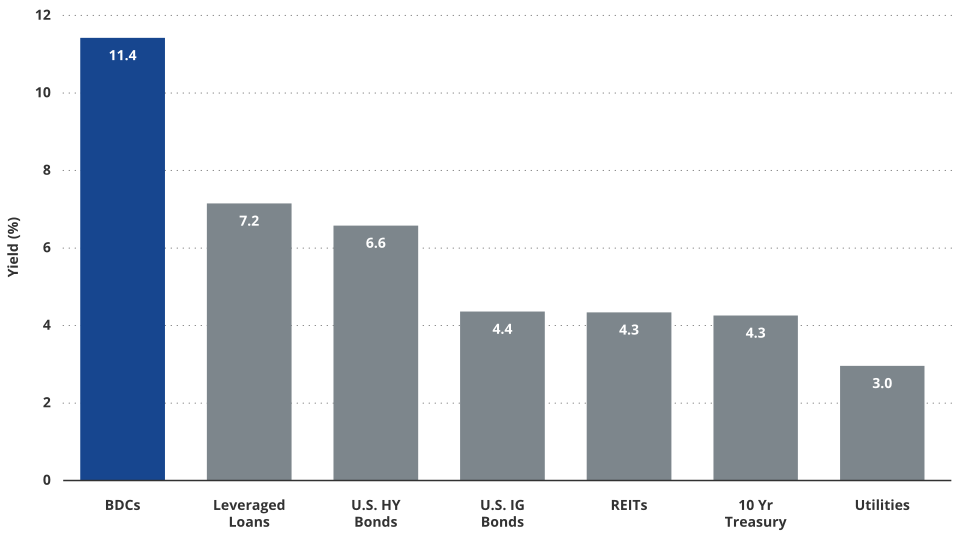
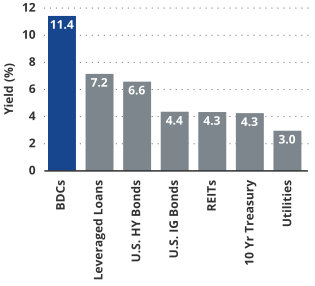
Fonte: FactSet e ICE Data Indices. Desempenho passado não é garantia de resultados futuros. Rendimento para Mortgage REITs, BDCs, Equity REITs e Utilities Stocks representado pelo rendimento de dividendos. Rendimento de empréstimos alavancados, títulos HY dos EUA, títulos IG dos EUA e Tesouro de 10 anos representado por yield-to-worst. Mortgage REITs representado por MVIS US Mortgage REITs Index; BDCs representado por MVIS US Business Development Companies Index, U.S. HY Bonds representado por ICE BofA US High Yield Index; U.S. IG Bonds representado por ICE BofA U.S. Corporate Index; U.S. 10 Yr Treasury representado por ICE BofA Current 10-Year US Treasury Index; Equity REITs representado por FTSE NAREIT All Equity REITs Index; Utilities Stocks representado por S&P Utilities Index; Leveraged Loans representado por Bloomberg US Leveraged Loan (Ba/B) Index. Veja as divulgações e descrições importantes no final.
Qualidade de crédito dos BDCs continua forte
Vários indicadores confirmam que a qualidade de crédito dos BDCs é saudável. As taxas de inadimplência — referentes a investimentos cujos mutuários deixaram de realizar pagamentos — representaram somente 1,2% do total das carteiras no segundo trimestre de 2025, muito abaixo do pico de 5,2% registrado durante o período da COVID e inferiores aos níveis observados antes da pandemia. Os preços médios ponderados dos empréstimos de primeira prioridade seguem próximos ao valor de face, situando-se em 99,3%, e a ampla maioria dos investimentos em BDCs apresenta preços superiores a 97% do valor nominal. A receita de PIK (pagamento em espécie), um possível sinal de alerta precoce de estresse do mutuário, também permaneceu administrável em 6,4% da receita total de juros.
- As taxas de inadimplência estão em 1,2%, bem abaixo do pico de 5,2% da era COVID e abaixo dos níveis pré-pandêmicos.
- Os preços médios ponderados dos empréstimos de primeira garantia estão próximos da paridade, em 99,3%.
- A receita de PIK permanece administrável em 6,4% da receita total de juros.
- A distribuição do preço dos empréstimos mostra que 87% dos investimentos estão cotados acima de 97% do valor nominal.
BIZD: Exposição diversificada a BDCs em um único ETF
O VanEck BDC Income ETF (BIZD) oferece aos investidores acesso diversificado ao mercado de BDCs negociados publicamente. Em vez de escolher BDCs individuais, que apresentam risco de concentração vinculado a gerentes, setores e grupos de tomadores de empréstimos específicos, o BIZD oferece ampla exposição aos maiores e mais líquidos nomes do setor. Para investidores focados em renda que buscam ir além dos títulos tradicionais, o BIZD oferece uma maneira de capturar o prêmio de rendimento do BDC com diversificação em escala institucional e liquidez diária.
- O BIZD oferece exposição diversificada aos maiores BDCs negociados publicamente.
- O ETF elimina o risco de concentração de um único BDC vinculado a gerentes ou grupos de mutuários específicos.
- A liquidez diária e a ampla diversificação o tornam uma forma acessível de capturar o prêmio de renda do BDC.
Insights relacionados

Related Insights
14 julho 2025
10 abril 2025
15 janeiro 2026
Fallen angels outperformed broad high yield in 2025, driven by security selection, longer duration, and resilient credit quality. Attractive yields and selective downgrades support 2026.
14 julho 2025
Os anjos caídos superaram o desempenho do mercado amplo de alto rendimento no primeiro semestre. A Whirlpool entrou para o Índice durante o segundo trimestre; a Constellation Insurance e a Royal Caribbean saíram.
10 abril 2025
Os fallen angels encerraram o primeiro trimestre com força, superando os rising stars com um ganho de 21% em valor de mercado e impulsionando uma mudança significativa na composição do mercado.
07 abril 2025
As tarifas de Trump provocam temores de guerra comercial, alimentando a volatilidade do mercado, o risco de inflação e as ameaças de recessão. Com prováveis retaliações globais, o crescimento de curto prazo está claramente em risco.
06 março 2025
As tarifas de Trump, a próxima fase da IA e uma possível reavaliação do ouro dos EUA podem abalar os mercados - os investidores que estiverem à frente dessas transições estarão mais bem posicionados.