Welcome to VanEck
Select Investor Type




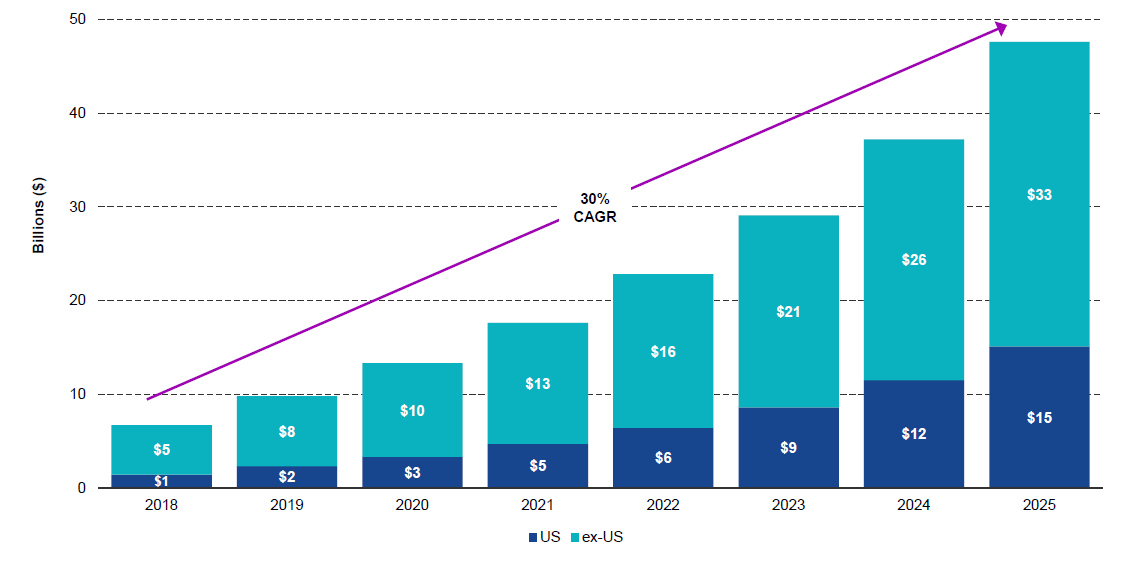
The need to nourish a growing population yet reduce the environmental impact of agriculture looks set to transform food production. Scientists are inventing ways to produce more food with less. The VanEck Food ETF sustainably invests in the companies harnessing new technologies to feed the world.
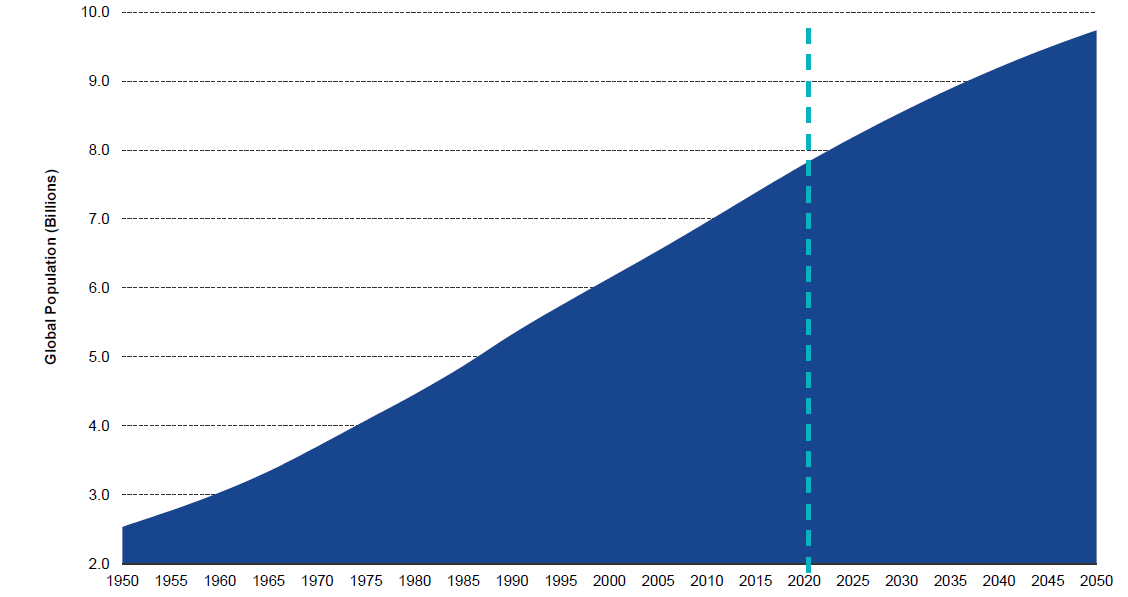
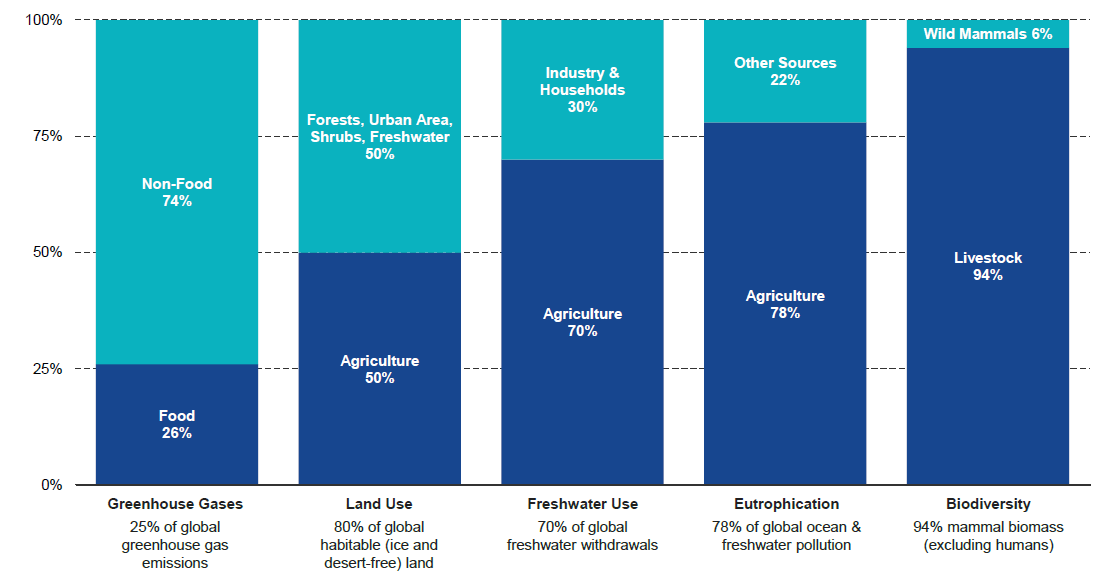
Without far-reaching changes in agriculture and food production, the world will not be able to halt its march towards environmental disaster. Already, the industry is a major greenhouse gas (GHG) emitter and does widespread harm to the environment in other ways besides. As the global population grows, powerful forces are beginning to transform food production.
Through selecting the companies with high focus on the food sector, the Food ETF aims to generate returns for investors. Such is the nature of food’s transformation that it also brings clear environmental, social and governance (ESG) benefits.
Technology is the key to reducing agriculture’s environmental damage. Plant-based meat cuts emissions by 90%, consumes 46% less energy, as well as using 99% less land and water than cattle.2The topic of food in the future is thus becoming increasingly relevant in today's world and is at the heart of the Food ETF by VanEck.
Greenhouse Gas Emissions of Select Agricultural Products
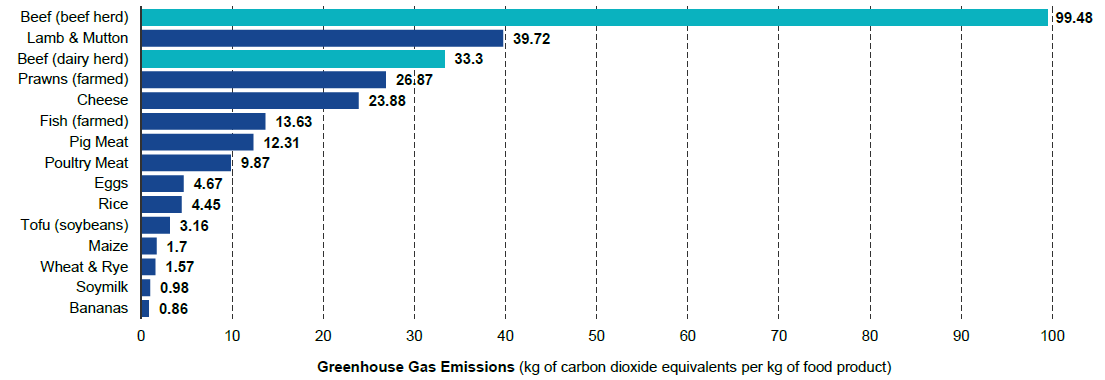
2 Source: ourworldindata.org, Poor & Nemecek. Analysis as of 2018, using 2010 data.
Traditional agriculture’s land requirements are too great to be sustainable in future. The solution? Automation, sophisticated data and efficient farming practices.
Infrared Sensors on Drones Can Indicate Problem Areas
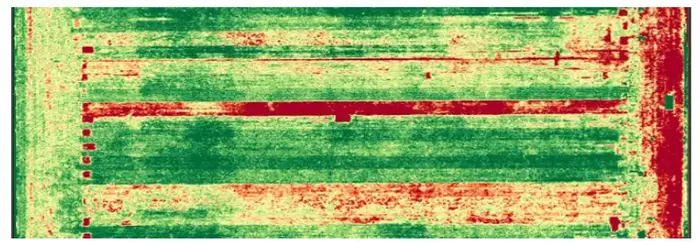
Source: Purdue University
Nitrogen fertilizer requires fossil fuels to produce, while other agricultural chemicals may be carcinogenic. The answer? Fertilizers produced using green hydrogen and renewable energy, twinned with biological crop protection. The VanEck Food ETF enables to invest in these innovative methods.
Nitrogen Fertilizer Consumption

Source: FAO, Ourworldindata.org. Through 2014 based on latest available data.
The strategy has an in-built preference towards companies that measure, monitor and report their environmental impact.