Commodity Prices Rise on Energy Disruptions
April 08, 2026
Read Time 3 MIN
Key Takeaways
- Energy disruptions supported broad commodity gains
- CMCITR posted strong returns but trailed BCOM
- Supply constraints contributed to gains across sectors
Q1 2026 Commodity Market Overview
Commodity markets moved higher in Q1 2026, supported by supply disruptions linked to the Iran conflict and reduced transit through the Strait of Hormuz. These developments constrained global flows of crude oil and liquefied natural gas (LNG), contributing to higher energy prices.
The impact of reduced LNG availability also extended to other sectors. Lower fertilizer production contributed to tighter agricultural supply conditions and higher crop prices. In industrial metals, regional disruptions affected aluminum production and shipping activity. At the same time, ongoing geopolitical uncertainty supported demand for precious metals.
All major commodity sectors recorded positive returns during the quarter.
CMCITR vs. BCOM: Performance Summary
UBS CM Commodity Index (CMCITR) returned 16.68% in Q1 2026, while Bloomberg Commodity Index (BCOM) returned 24.41%.
CMCITR underperformed BCOM, primarily due to lower exposure to precious metals, particularly gold. Gold contributed more significantly to BCOM’s performance due to its higher weight. Differences in agricultural exposures, including soybean oil, also contributed modestly, while a higher allocation to industrial metals provided a partial offset.
Energy markets shifted into pronounced backwardation during the quarter, with front-month prices rising more sharply than longer-dated contracts. BCOM’s front-month positioning captured more of this move, while CMCITR’s exposure further along the curve resulted in relatively lower participation in the rally. In addition, BCOM’s early January rebalancing increased exposure to several commodities that subsequently performed well, contributing to a wider performance difference than suggested by static-weight attribution analysis.
Commodity Sector Performance: Top Contributors to CMCITR in Q1 2026
A closer look at the commodity sector’s performance highlights the primary drivers of CMCITR’s returns in Q1 2026, with energy accounting for the majority of returns.
The chart below highlights sector contributions to CMCITR’s performance in Q1 2026, highlighting the outsized impact of energy alongside gains across other commodity sectors.
Comparative Index Sector Weights
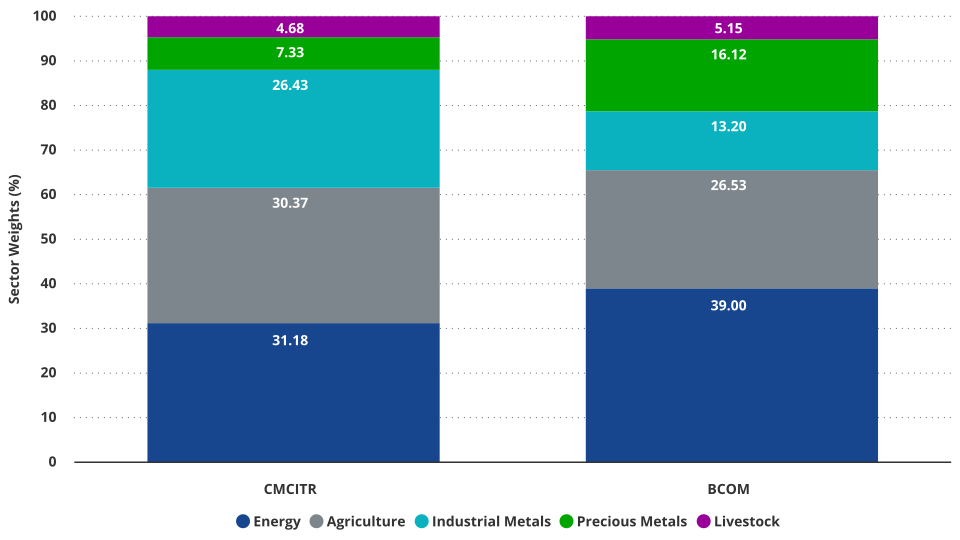
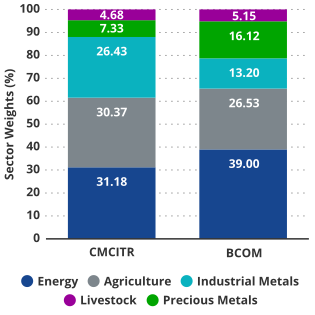
Source: VanEck, Bloomberg. Data as of March 2026.
- Energy was the primary driver of returns. Supply constraints across crude oil and refined products supported broad price increases, with distillates showing particularly strong performance.
- Agriculture benefited from tighter supply conditions. Fertilizer constraints contributed to higher crop prices, with soybean oil among the strongest performers.
- Industrial metals posted moderate gains. Aluminum prices were supported by production and transportation disruptions in the Middle East.
- Precious metals moved higher, supported in part by continued geopolitical uncertainty.
- Livestock prices increased, reflecting higher input costs and broader market trends.
Recommended subscription
Commodity Market Outlook: What Could Drive Prices in 2026?
Commodity markets may continue to be influenced by supply conditions and geopolitical developments. Ongoing constraints affecting energy transportation could continue to support prices in the near term.
Agricultural markets may remain sensitive to input costs, including fertilizer availability. Precious metals could continue to see support if uncertainty persists.
From an index perspective, CMCITR’s diversified futures exposure may result in different outcomes depending on the shape of commodity curves. In periods of backwardation, front-month exposure may benefit more directly, while more balanced curve exposure may provide different return characteristics over time.
Explore Investment Ideas
Learn more about the VanEck CM Commodity Index Fund and the VanEck CMCI Commodity Strategy ETF (CMCI), which seek to track, before fees and expenses, the CMCITR.
To receive more Natural Resources insights, sign up in our subscription center.

Disclosures
This is not an offer to buy or sell, or a recommendation to buy or sell any of the securities, financial instruments or digital assets mentioned herein. The information presented does not involve the rendering of personalized investment, financial, legal, tax advice, or any call to action. Certain statements contained herein may constitute projections, forecasts and other forward-looking statements, which do not reflect actual results, are for illustrative purposes only, are valid as of the date of this communication, and are subject to change without notice. Actual future performance of any assets or industries mentioned are unknown. Information provided by third party sources are believed to be reliable and have not been independently verified for accuracy or completeness and cannot be guaranteed. VanEck does not guarantee the accuracy of third-party data. The information herein represents the opinion of the author(s), but not necessarily those of VanEck or its other employees.
All indices are unmanaged and include the reinvestment of all dividends, but do not reflect the payment of transaction costs, advisory fees or expenses that are associated with an investment in the Fund. An index’s performance is not illustrative of the Fund’s performance. Indices are not securities in which investments can be made. Past performance is no guarantee of future results.
The UBS Bloomberg Constant Maturity Commodity Index (CMCITR) is a total return rules-based composite benchmark index diversified across 29 commodity components from within five sectors, specifically energy, precious metals, industrial metals, agricultural and livestock.
Bloomberg Commodity Index (BCOM) provides broad-based exposure to commodities, and no single commodity or commodity sector dominates the index. Rather than being driven by micro-economic events affecting one commodity market or sector, the diversified commodity exposure of BCOM potentially reduces volatility in comparison with non-diversified commodity investments.
UBS AG AND ITS AFFILIATES (“UBS”) DO NOT SPONSOR, ENDORSE, SELL, OR PROMOTE CM COMMODITY INDEX FUND (THE “PRODUCT”). A DECISION TO INVEST IN THE PRODUCT SHOULD NOT BE MADE IN RELIANCE ON ANY OF THE STATEMENTS SET FORTH IN THIS WEBSITE. PROSPECTIVE INVESTORS ARE ADVISED TO MAKE AN INVESTMENT IN THE PRODUCT ONLY AFTER CAREFULLY CONSIDERING THE RISKS ASSOCIATED WITH INVESTING IN THE PRODUCT, AS DETAILED IN THE PROSPECTUS THAT IS PREPARED BY OR ON BEHALF OF VANECK (“LICENSEE”), THE ISSUER OF THE PRODUCT. UBS HAS LICENSED CERTAIN UBS MARKS AND OTHER DATA TO LICENSEE FOR USE IN CONNECTION WITH THE PRODUCT AND THE BRANDING OF THE PRODUCT, BUT UBS IS NOT INVOLVED IN THE CALCULATION OF THE PRODUCT, THE CONSTRUCTION OF THE PRODUCT’S METHODOLOGY OR THE CREATION OF THE PRODUCT, NOR IS UBS INVOLVED IN THE SALE OR OFFERING OF THE PRODUCT, AND UBS DOES NOT MAKE ANY REPRESENTATIONS OR WARRANTIES WITH RESPECT TO THE PRODUCT AND DISCLAIMS ANY LIABILITY FOR ANY INACCURACY, ERROR OR DELAY IN, OR OMISSION OF THE DATA.
Investments in commodities can be very volatile and direct investment in these markets can be very risky, especially for inexperienced investors.
VanEck CM Commodity Index Fund: You can lose money by investing in the Fund. Any investment in the Fund should be part of an overall investment program, not a complete program. Commodities are assets that have tangible properties, such as oil, metals, and agriculture. Commodities and commodity-linked derivatives may be affected by overall market movements and other factors that affect the value of a particular industry or commodity, such as weather, disease, embargoes or political or regulatory developments. The value of a commodity-linked derivative is generally based on price movements of a commodity, a commodity futures contract, a commodity index or other economic variables based on the commodity markets. Derivatives use leverage, which may exaggerate a loss. An investment in the Fund may be subject to risks which include, but are not limited to, risks related to active management, commodities and commodity-linked derivatives, commodity regulatory, credit, derivatives counterparty, derivatives, government-related bond, index tracking, industry concentration, investments in money market funds, interest rate, LIBOR replacement, market, operational, and subsidiary investment risk, all of which may adversely affect the Fund. The use of commodity-linked derivatives such as swaps, commodity-linked structured notes and futures entails substantial risks, including risk of loss of a significant portion of their principal value, lack of a secondary market, increased volatility, correlation, liquidity, interest-rate, valuation and tax risks. Gains and losses from speculative positions in derivatives may be much greater than the derivative’s cost. At any time, the risk of loss of any individual security held by the Fund could be significantly higher than 50% of the security’s value. Investment in commodity markets may not be suitable for all investors. The Fund’s investment in commodity-linked derivative instruments may subject the Fund to greater volatility than investment in traditional securities.
VanEck CMCI Commodity Strategy ETF: An investment in the Fund may be subject to risks which include, among others, risks related to investing in the agricultural commodity sector, commodities and commodity-linked instruments, commodities and commodity-linked instruments tax, derivatives counterparty, energy commodity sector, metals commodity sector, U.S. treasury bills, Subsidiary investment, commodity regulatory and tax risks with respect to investments in the Subsidiary, gap, cash transactions, credit, debt securities, interest rate, derivatives, commodity index tracking, repurchase agreements, regulatory, market, operational, authorized participant concentration, new fund, no guarantee of active trading market, trading issues, fund shares trading, premium/discount risk and liquidity of fund shares, non-diversified, and commodity index-related concentration risks, all of which may adversely affect the Fund. The use of commodity-linked derivatives such as swaps, commodity-linked structured notes and futures entails substantial risks, including risk of loss of a significant portion of their principal value, lack of a secondary market, increased volatility, correlation, liquidity, interest-rate, valuation and tax risks. Investment in commodity markets may not be suitable for all investors. The Fund’s investment in commodity-linked derivative instruments may subject the Fund to greater volatility than investment in traditional securities. The level of derivatives counterparty risk may be heightened due to the Fund currently only having a single counterparty available with which to enter into swap contracts on the Index.
Investing involves substantial risk and high volatility, including possible loss of principal. An investor should consider the investment objective, risks, charges and expenses of a Fund carefully before investing. To obtain a prospectus and summary prospectus, which contain this and other information, call 800.826.2333 or visit vaneck.com. Please read the prospectus and summary prospectus carefully before investing.
© 2026 Van Eck Securities Corporation, Distributor, a wholly-owned subsidiary of Van Eck Associates Corporation.
Related Funds
Disclosures
This is not an offer to buy or sell, or a recommendation to buy or sell any of the securities, financial instruments or digital assets mentioned herein. The information presented does not involve the rendering of personalized investment, financial, legal, tax advice, or any call to action. Certain statements contained herein may constitute projections, forecasts and other forward-looking statements, which do not reflect actual results, are for illustrative purposes only, are valid as of the date of this communication, and are subject to change without notice. Actual future performance of any assets or industries mentioned are unknown. Information provided by third party sources are believed to be reliable and have not been independently verified for accuracy or completeness and cannot be guaranteed. VanEck does not guarantee the accuracy of third-party data. The information herein represents the opinion of the author(s), but not necessarily those of VanEck or its other employees.
All indices are unmanaged and include the reinvestment of all dividends, but do not reflect the payment of transaction costs, advisory fees or expenses that are associated with an investment in the Fund. An index’s performance is not illustrative of the Fund’s performance. Indices are not securities in which investments can be made. Past performance is no guarantee of future results.
The UBS Bloomberg Constant Maturity Commodity Index (CMCITR) is a total return rules-based composite benchmark index diversified across 29 commodity components from within five sectors, specifically energy, precious metals, industrial metals, agricultural and livestock.
Bloomberg Commodity Index (BCOM) provides broad-based exposure to commodities, and no single commodity or commodity sector dominates the index. Rather than being driven by micro-economic events affecting one commodity market or sector, the diversified commodity exposure of BCOM potentially reduces volatility in comparison with non-diversified commodity investments.
UBS AG AND ITS AFFILIATES (“UBS”) DO NOT SPONSOR, ENDORSE, SELL, OR PROMOTE CM COMMODITY INDEX FUND (THE “PRODUCT”). A DECISION TO INVEST IN THE PRODUCT SHOULD NOT BE MADE IN RELIANCE ON ANY OF THE STATEMENTS SET FORTH IN THIS WEBSITE. PROSPECTIVE INVESTORS ARE ADVISED TO MAKE AN INVESTMENT IN THE PRODUCT ONLY AFTER CAREFULLY CONSIDERING THE RISKS ASSOCIATED WITH INVESTING IN THE PRODUCT, AS DETAILED IN THE PROSPECTUS THAT IS PREPARED BY OR ON BEHALF OF VANECK (“LICENSEE”), THE ISSUER OF THE PRODUCT. UBS HAS LICENSED CERTAIN UBS MARKS AND OTHER DATA TO LICENSEE FOR USE IN CONNECTION WITH THE PRODUCT AND THE BRANDING OF THE PRODUCT, BUT UBS IS NOT INVOLVED IN THE CALCULATION OF THE PRODUCT, THE CONSTRUCTION OF THE PRODUCT’S METHODOLOGY OR THE CREATION OF THE PRODUCT, NOR IS UBS INVOLVED IN THE SALE OR OFFERING OF THE PRODUCT, AND UBS DOES NOT MAKE ANY REPRESENTATIONS OR WARRANTIES WITH RESPECT TO THE PRODUCT AND DISCLAIMS ANY LIABILITY FOR ANY INACCURACY, ERROR OR DELAY IN, OR OMISSION OF THE DATA.
Investments in commodities can be very volatile and direct investment in these markets can be very risky, especially for inexperienced investors.
VanEck CM Commodity Index Fund: You can lose money by investing in the Fund. Any investment in the Fund should be part of an overall investment program, not a complete program. Commodities are assets that have tangible properties, such as oil, metals, and agriculture. Commodities and commodity-linked derivatives may be affected by overall market movements and other factors that affect the value of a particular industry or commodity, such as weather, disease, embargoes or political or regulatory developments. The value of a commodity-linked derivative is generally based on price movements of a commodity, a commodity futures contract, a commodity index or other economic variables based on the commodity markets. Derivatives use leverage, which may exaggerate a loss. An investment in the Fund may be subject to risks which include, but are not limited to, risks related to active management, commodities and commodity-linked derivatives, commodity regulatory, credit, derivatives counterparty, derivatives, government-related bond, index tracking, industry concentration, investments in money market funds, interest rate, LIBOR replacement, market, operational, and subsidiary investment risk, all of which may adversely affect the Fund. The use of commodity-linked derivatives such as swaps, commodity-linked structured notes and futures entails substantial risks, including risk of loss of a significant portion of their principal value, lack of a secondary market, increased volatility, correlation, liquidity, interest-rate, valuation and tax risks. Gains and losses from speculative positions in derivatives may be much greater than the derivative’s cost. At any time, the risk of loss of any individual security held by the Fund could be significantly higher than 50% of the security’s value. Investment in commodity markets may not be suitable for all investors. The Fund’s investment in commodity-linked derivative instruments may subject the Fund to greater volatility than investment in traditional securities.
VanEck CMCI Commodity Strategy ETF: An investment in the Fund may be subject to risks which include, among others, risks related to investing in the agricultural commodity sector, commodities and commodity-linked instruments, commodities and commodity-linked instruments tax, derivatives counterparty, energy commodity sector, metals commodity sector, U.S. treasury bills, Subsidiary investment, commodity regulatory and tax risks with respect to investments in the Subsidiary, gap, cash transactions, credit, debt securities, interest rate, derivatives, commodity index tracking, repurchase agreements, regulatory, market, operational, authorized participant concentration, new fund, no guarantee of active trading market, trading issues, fund shares trading, premium/discount risk and liquidity of fund shares, non-diversified, and commodity index-related concentration risks, all of which may adversely affect the Fund. The use of commodity-linked derivatives such as swaps, commodity-linked structured notes and futures entails substantial risks, including risk of loss of a significant portion of their principal value, lack of a secondary market, increased volatility, correlation, liquidity, interest-rate, valuation and tax risks. Investment in commodity markets may not be suitable for all investors. The Fund’s investment in commodity-linked derivative instruments may subject the Fund to greater volatility than investment in traditional securities. The level of derivatives counterparty risk may be heightened due to the Fund currently only having a single counterparty available with which to enter into swap contracts on the Index.
Investing involves substantial risk and high volatility, including possible loss of principal. An investor should consider the investment objective, risks, charges and expenses of a Fund carefully before investing. To obtain a prospectus and summary prospectus, which contain this and other information, call 800.826.2333 or visit vaneck.com. Please read the prospectus and summary prospectus carefully before investing.
© 2026 Van Eck Securities Corporation, Distributor, a wholly-owned subsidiary of Van Eck Associates Corporation.